5 Essential Electrical Safety Tips for DIY Enthusiasts Jan 05, 2026
Before delving into any DIY electrical work, it is paramount to understand the basics of electricity. Even seemingly simple tasks can pose risks if not handled correctly. Firstly, remember always to cut the power supply when working on any electrical fixture. This precaution can help prevent electric shocks, which can be both dangerous and life-threatening.
Next, it's vital to use the right tools for the job. Insulated tools minimize the risk of electric shock. Make sure your toolbox includes insulated pliers, screwdrivers, and wire cutters. These tools provide an additional layer of protection should you accidentally make contact with a live wire.
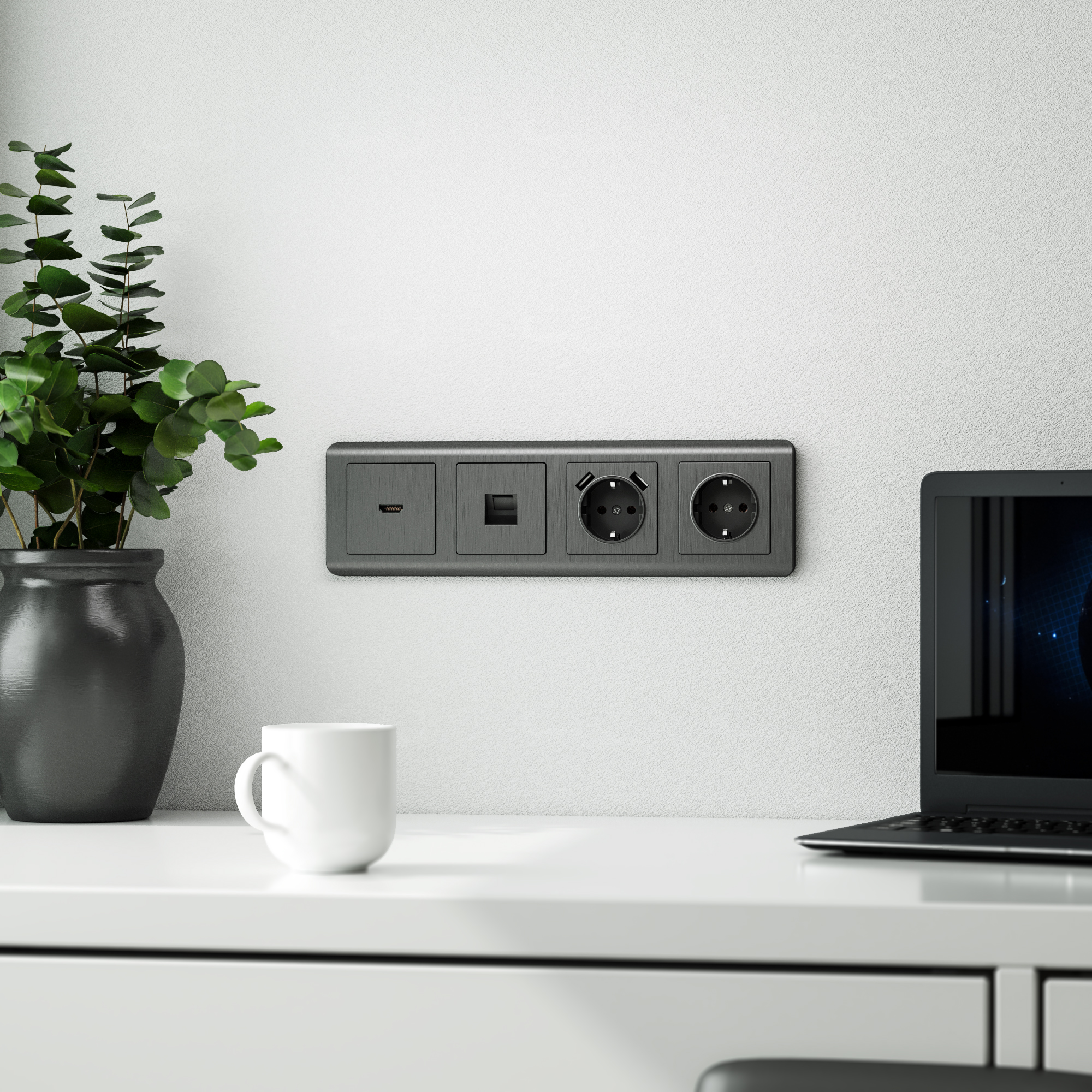
When it comes to replacing or installing outlets, pay close attention to grounding and polarity. Many DIY enthusiasts overlook the critical importance of grounding, which serves as a failsafe should your electrical system experience a surge. Ungrounded outlets not only pose a risk of shock but can also lead to equipment damage. For this reason, always ensure that your outlets have three prongs and are connected correctly.
Another essential tip is to avoid overloading your circuits. With the myriad of devices and appliances we use today, it's easy to plug too many into a single circuit. Overloaded circuits can trip breakers, damage electronics, and even lead to fires. Always be cognizant of the electrical load. If you're unsure, it's wise to consult a professional electrician for advice on circuit capacity.
A critical yet often neglected safety measure is understanding your home’s electrical system's layout. Familiarize yourself with your circuit breaker panel; know which breakers control specific areas and appliances in your home. Labeling these can speed up troubleshooting should ever an issue arise. Having this knowledge can save you time and prevent potential mishaps during your DIY projects.
At Luke’s Electrical Service, we advocate for responsible DIY practices. While it's empowering to tackle projects on your own, remember that some jobs are best left to the professionals. If your project involves complex wiring or if you're simply unsure about any part of the task, don't hesitate to reach out to an experienced electrician. Safety should always be your top priority.
In conclusion, while DIY electrical work can be fulfilling, it requires caution and respect for the inherent risks of electricity. By adhering to these essential safety tips, you can ensure your projects are not only successful but safe. Keep these guidelines in mind, and remember that Luke's Electrical Service is always here to assist with any questions or professional help you might need. As you pursue your DIY passions safely, you'll gain confidence and expertise, creating a secure environment for yourself and your loved ones.
/filters:no_upscale()/filters:format(webp)/media/3dd52e6c-039b-4b51-b5cb-bde160d63344.jpeg)
/filters:no_upscale()/filters:format(webp)/media/a315b234-83ab-4950-aaef-7d6f51360229.jpeg)